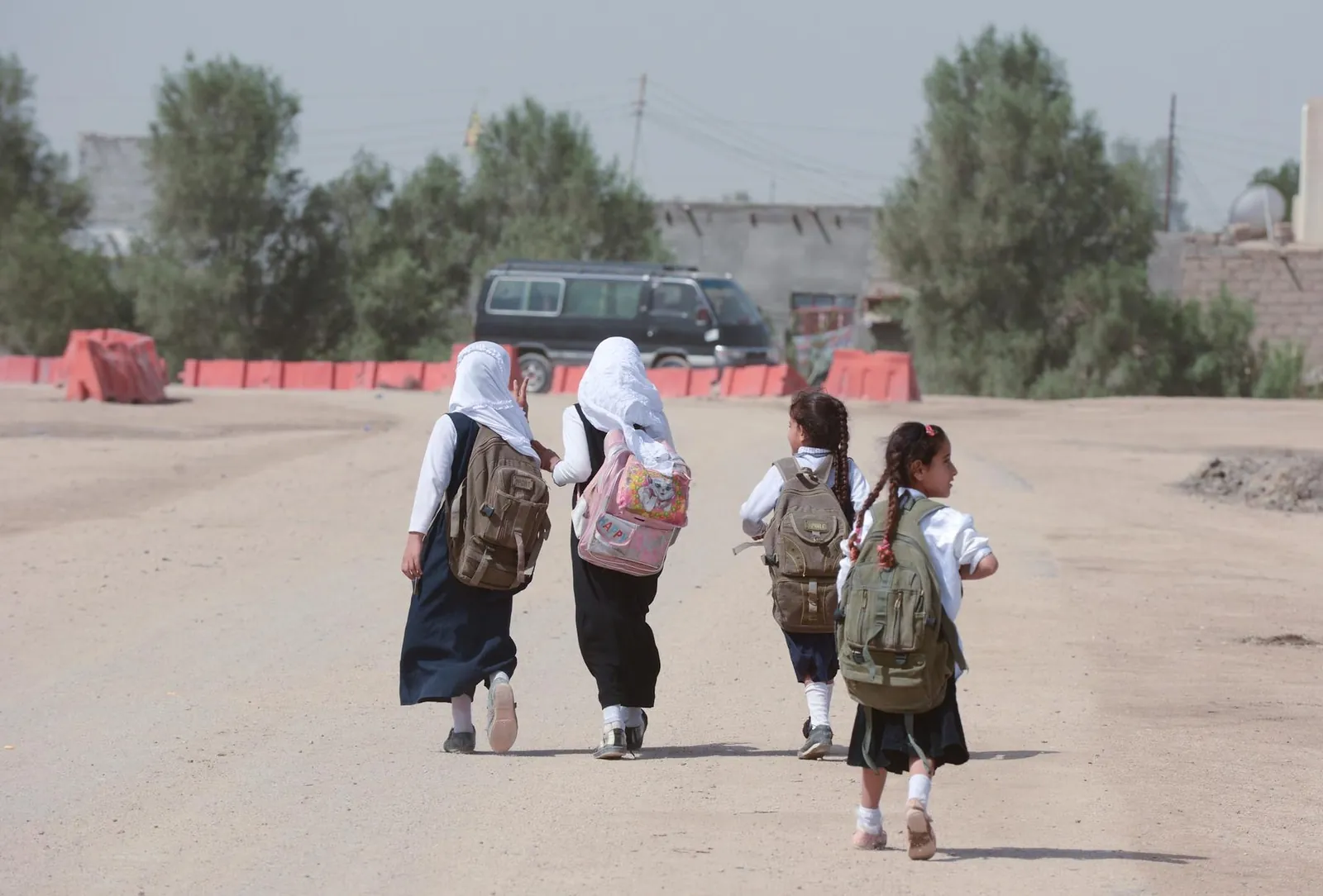
Education.
Education projects that give children a classroom and adults a qualification, a trade and a voice.
For adults
and children.
AMAR delivers education projects for adults and children designed to generate lasting improvements in the ability of individuals and communities to prosper and grow.
Education forms the backbone of developing communities. High quality learning brings immediate improvements to daily life and lets the economy grow into something more substantial and robust. Education programmes also anchor communities with few other resources: learning creates a more optimistic, less conflict-prone atmosphere.
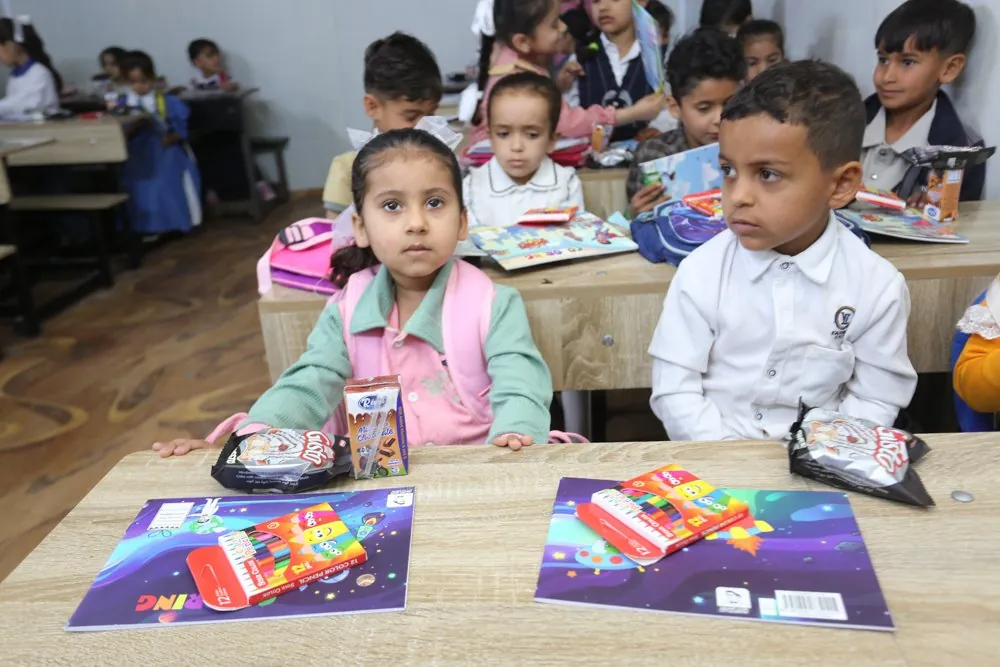
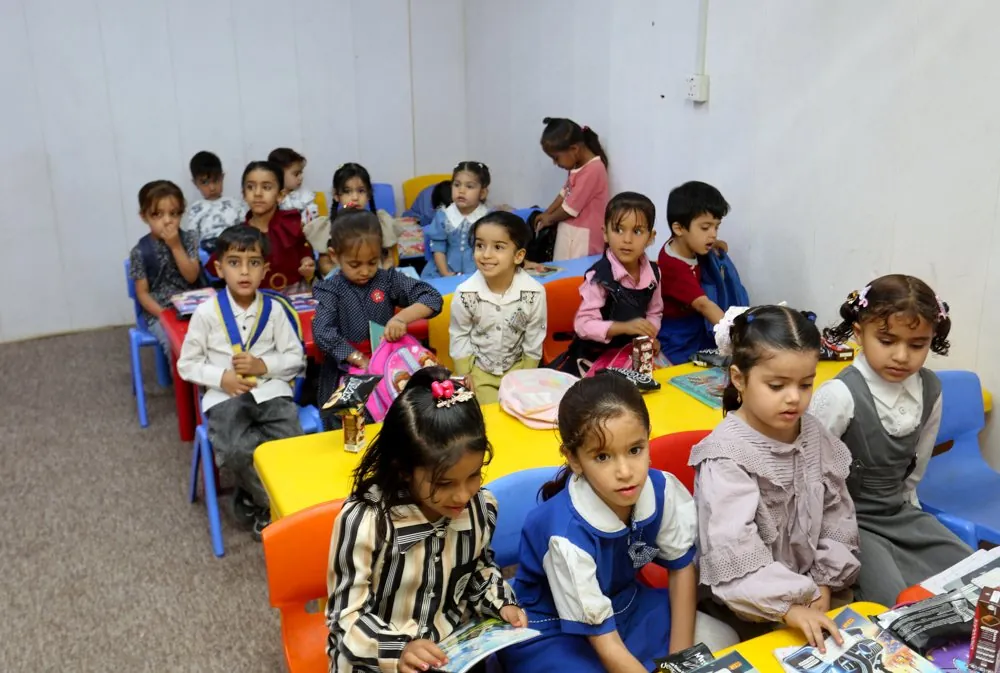
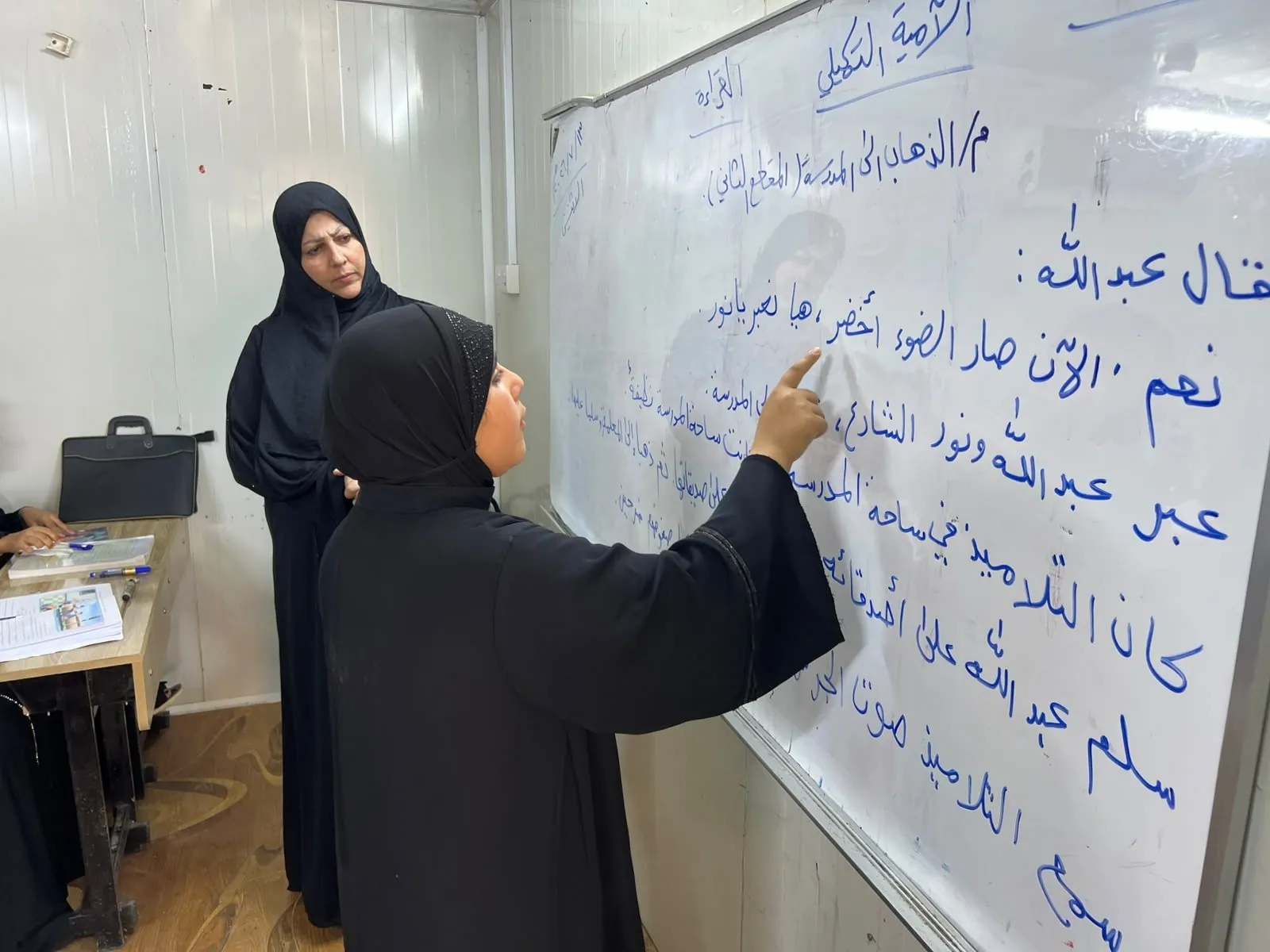
For children, AMAR supplements existing school classes. For adults, academic and vocational courses give practical skills and knowledge to find work or start a business.
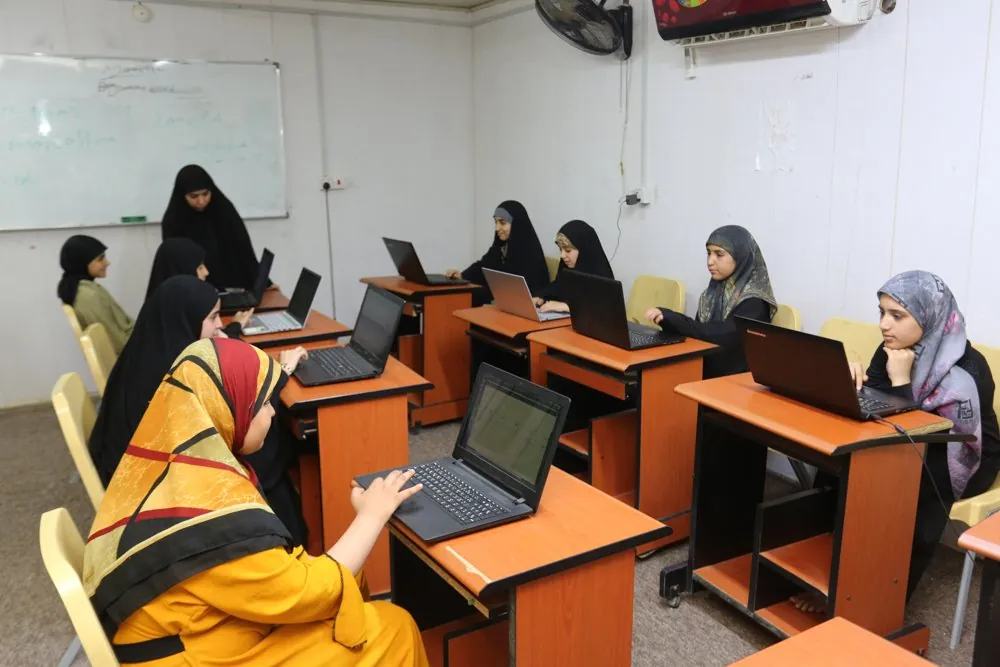
Adults receive skills training and tuition from AMAR teachers every month, and children who had left school return to the national system.
Twelve ways
to learn.
School facilities
Building and rehabilitating educational facilities so communities have safe, clean classrooms and the infrastructure for successful learning.
Official qualifications
Students who complete AMAR courses obtain qualifications approved by the Ministry of Education, re-entering mainstream education or qualifying for work.
Childcare
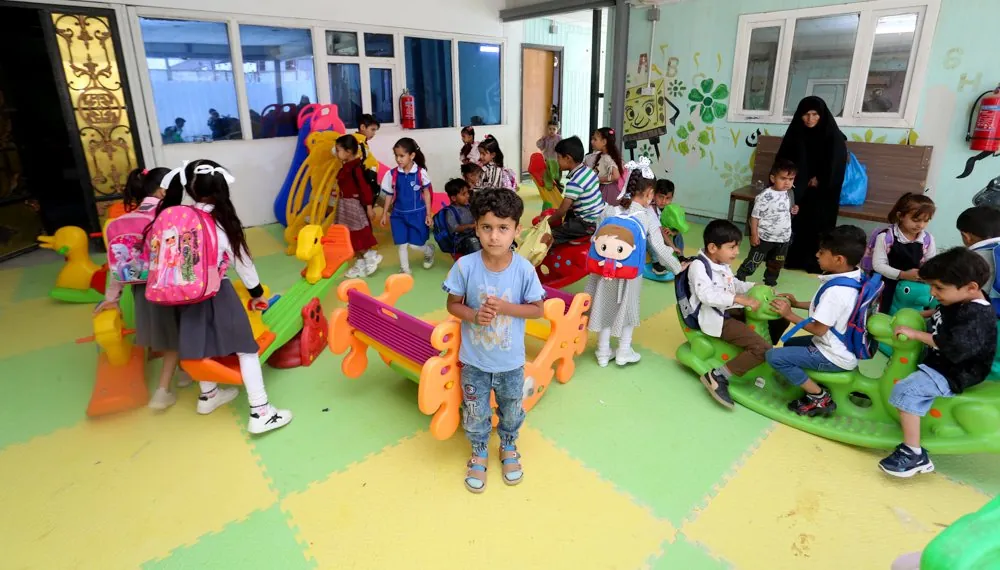
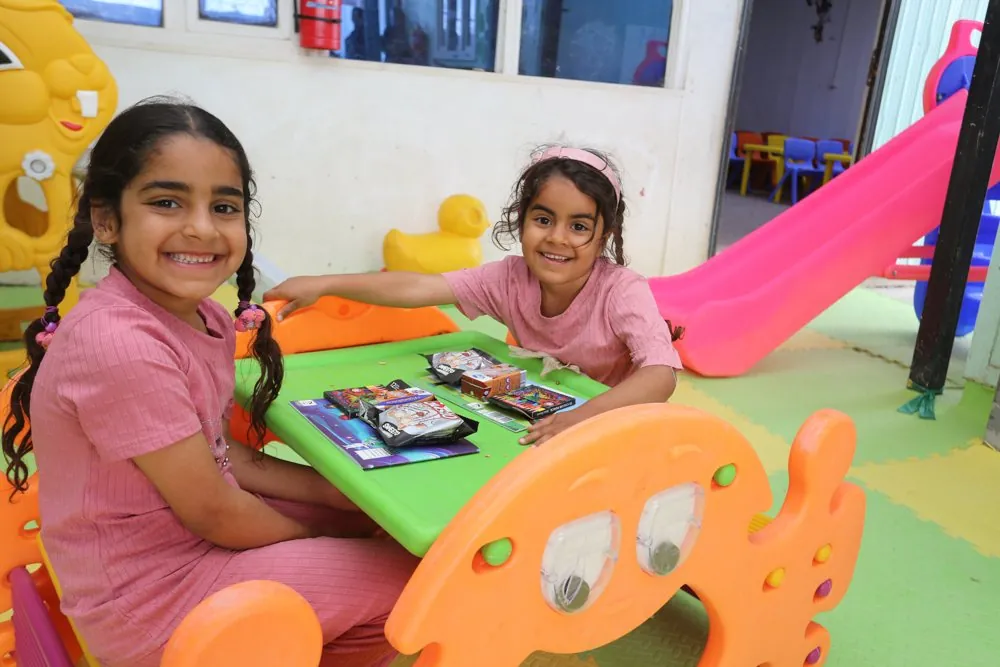
Childcare for the poorest families, giving parents, especially mothers, the freedom to take part in crucial training sessions.
After-school tutoring
Time and space outside school hours to go over lessons and get help with subjects children find challenging.
Adult education
With the Ministry of Education: continuing education from literacy and numeracy to preparation for national exams and qualifications.
Human rights education
Tailored courses on human rights, the rule of law and citizenship for women, students, tribal leaders, prison inmates and guards, and border and police staff.
Professional development
Building the capacity of educators delivering AMAR programmes, and helping teachers understand best practice in the field.
Advancing civil society
Helping communities organise, raise support and know their rights, so they can represent themselves locally, regionally and nationally.
Religious tolerance
Ending discrimination and violence against minorities by engaging key stakeholders in training and community projects.
Vocational training
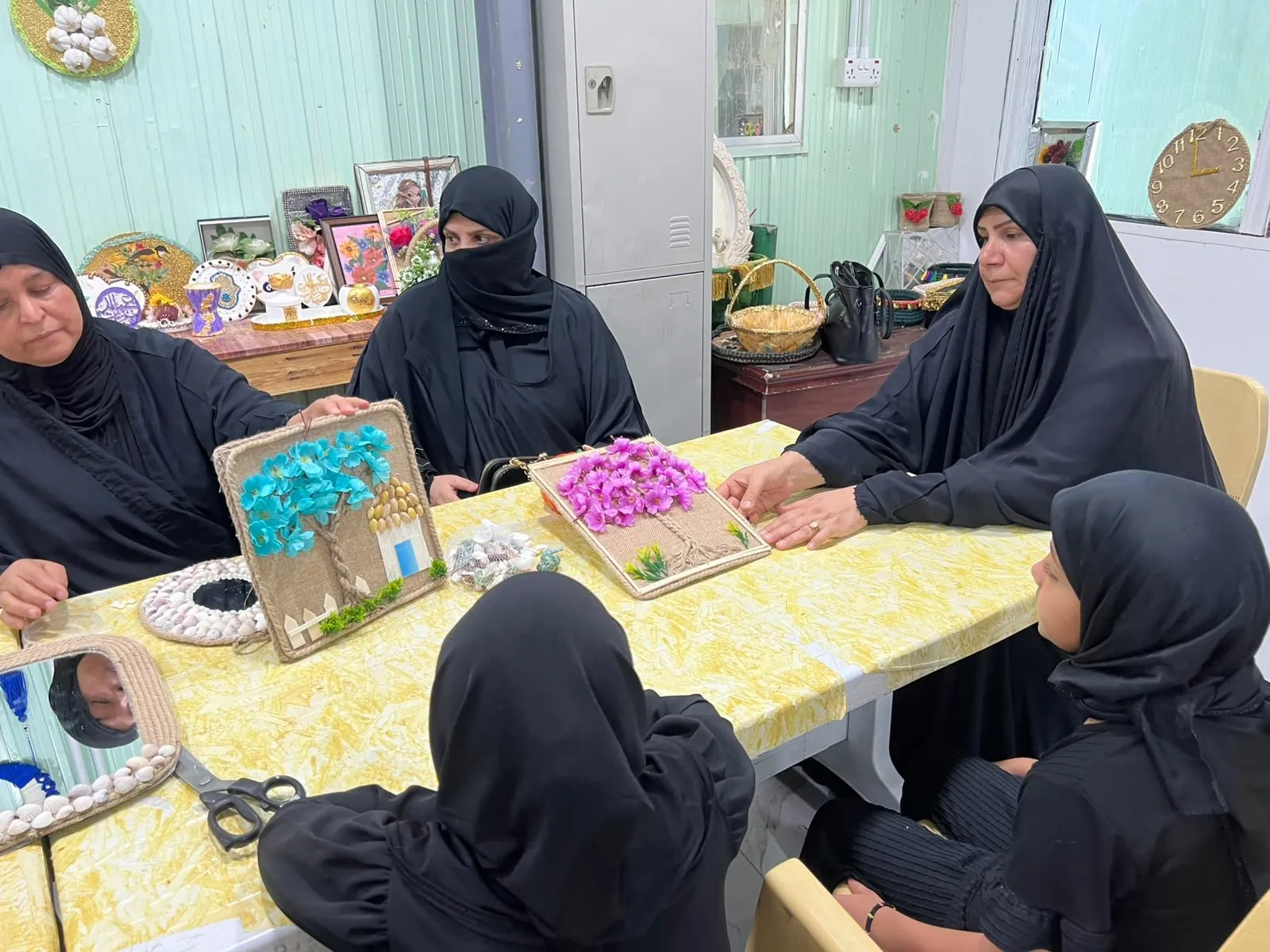
Skills classes such as sewing, hairdressing, construction and engineering that help people start businesses and find gainful employment.
Community leaders
Practical training for community, tribal and religious leaders in the tools of leadership, including public speaking to advocate for their communities.
Drugs awareness
National campaigns educating children about the dangers of drugs and alcohol, and engaging parents to recognise the symptoms of addiction.
Health knowledge,
house by house.
Two AMAR programmes take health education out of the clinic and into homes and classrooms. Both are run by local people trained and supervised by AMAR, and both feed patients back to the primary healthcare centres and mobile clinics.
Women Health Volunteers
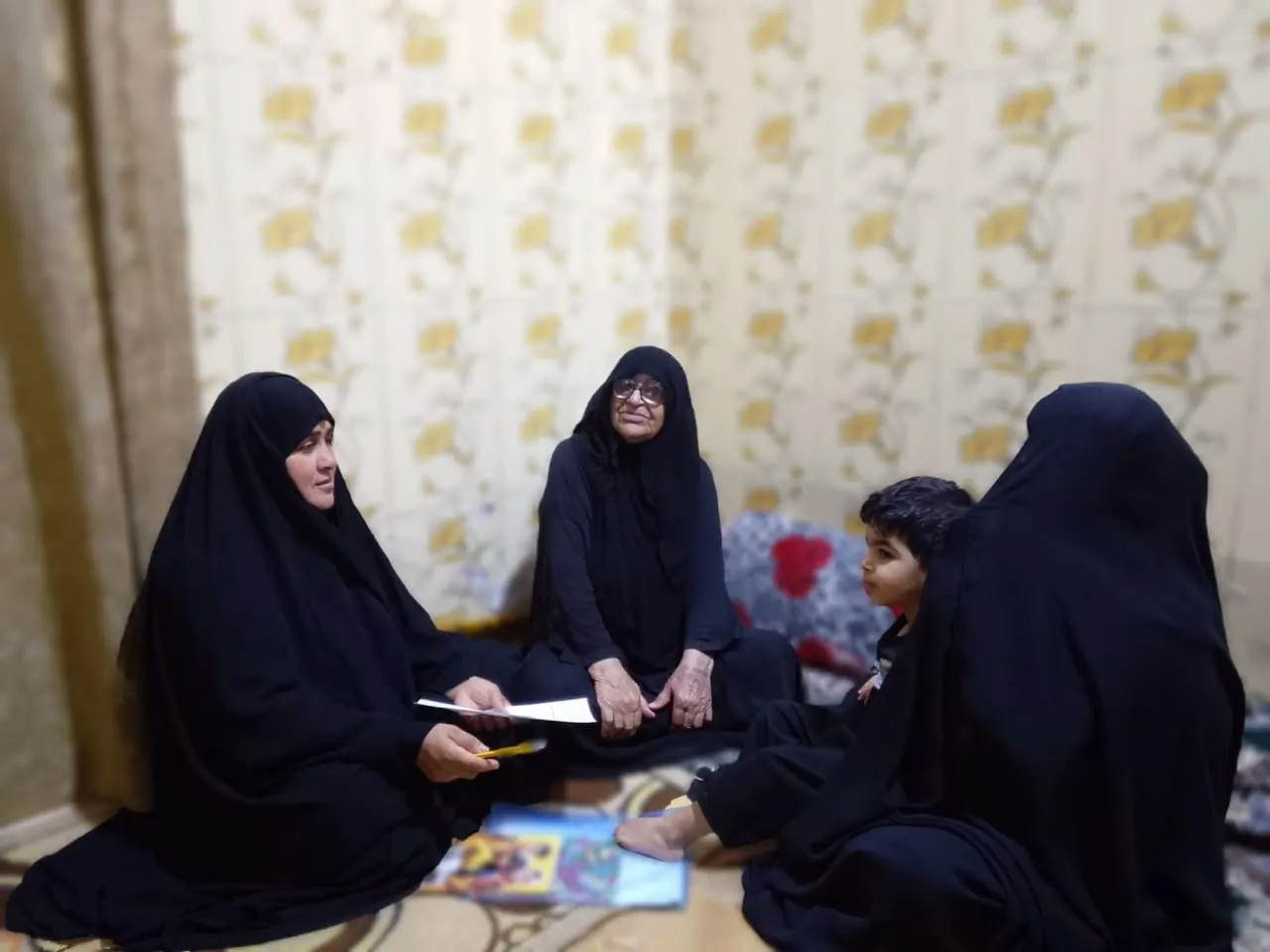
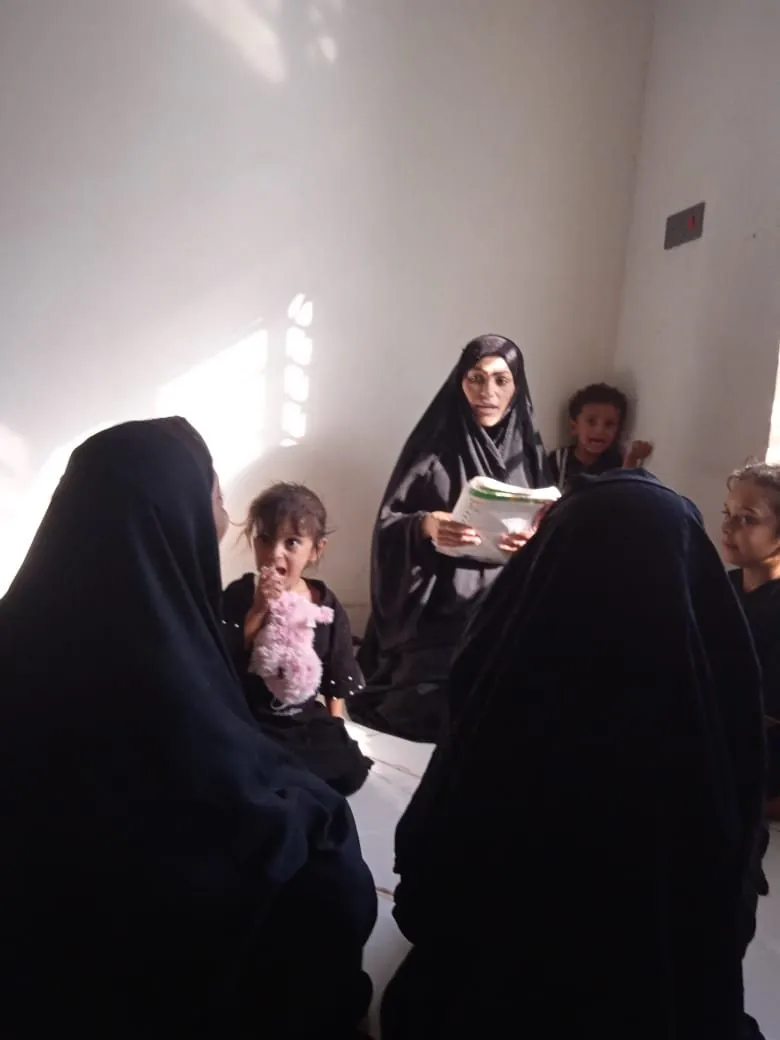
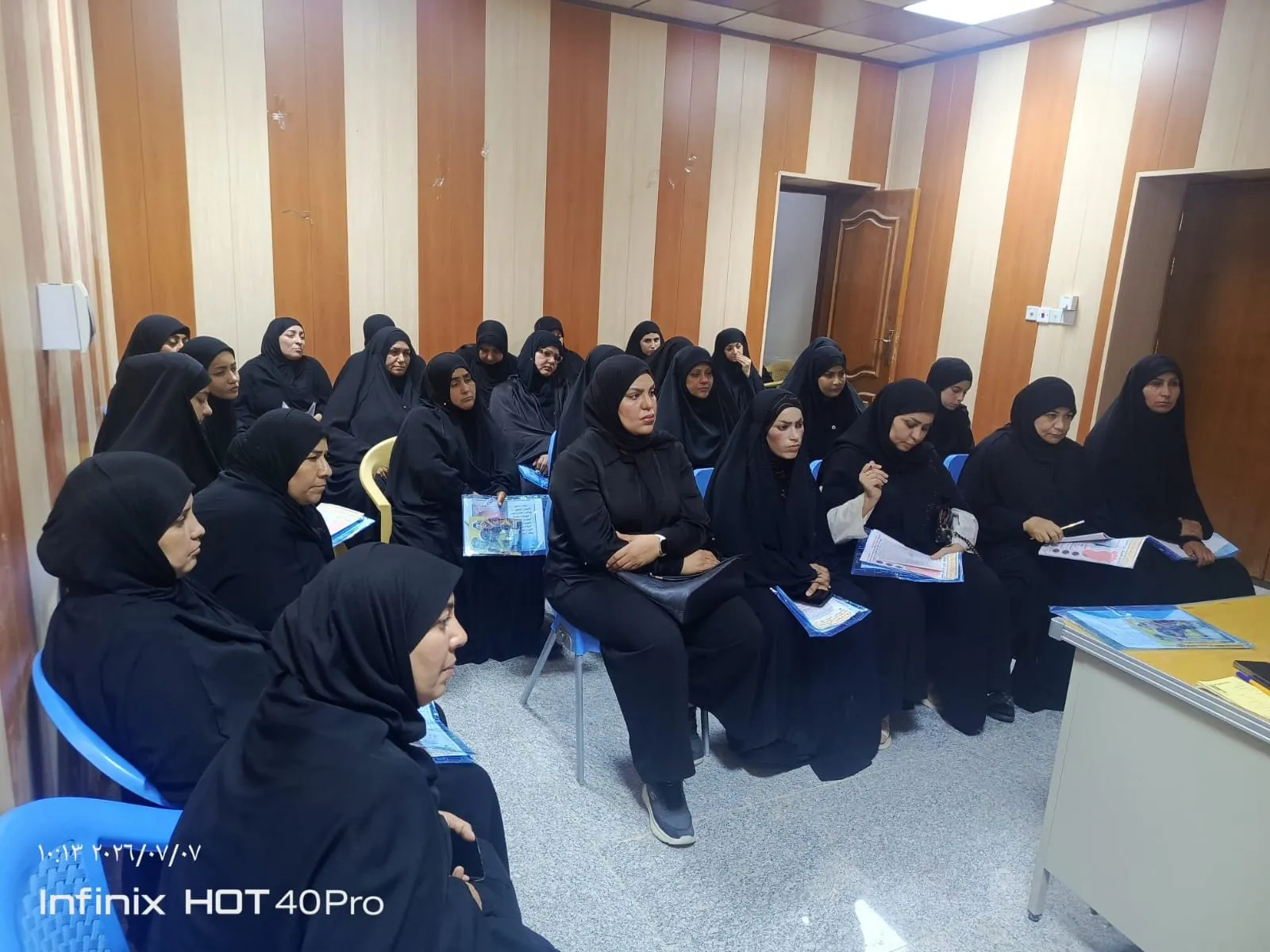
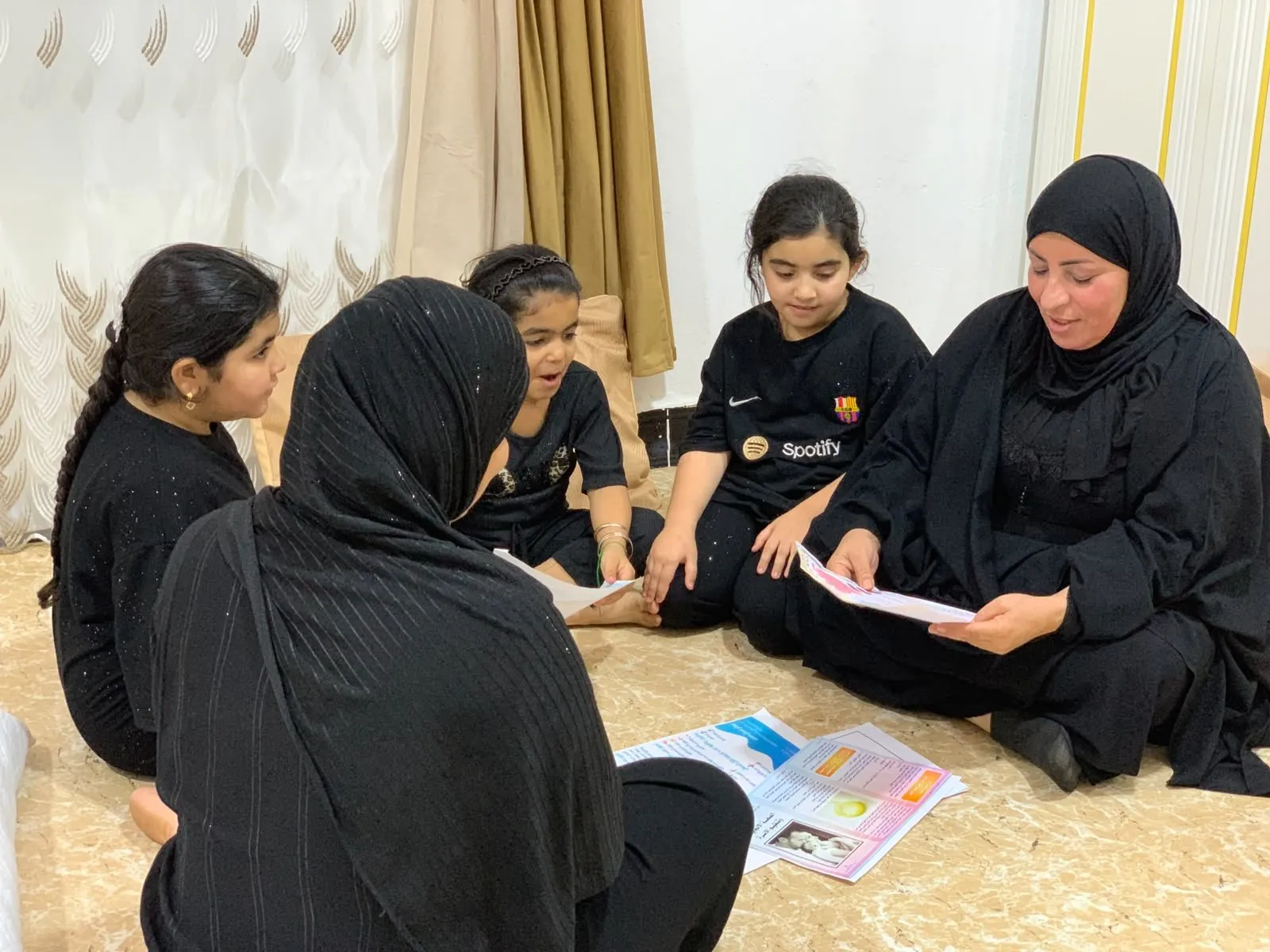
Networks of trained local women, thirty in Al Khora and ten in North Rumaila, visit families door to door. Each volunteer covers twenty to forty households a month, screening mothers, children and the elderly for common illnesses, advising on hygiene, nutrition, pregnancy, breastfeeding and childcare, spotting symptoms early and referring suspected cases to the AMAR clinic. Every month the volunteers train with a doctor from the health sector: newborn screening, summer diseases, heat stroke, typhoid, food safety.
Health Education in Schools
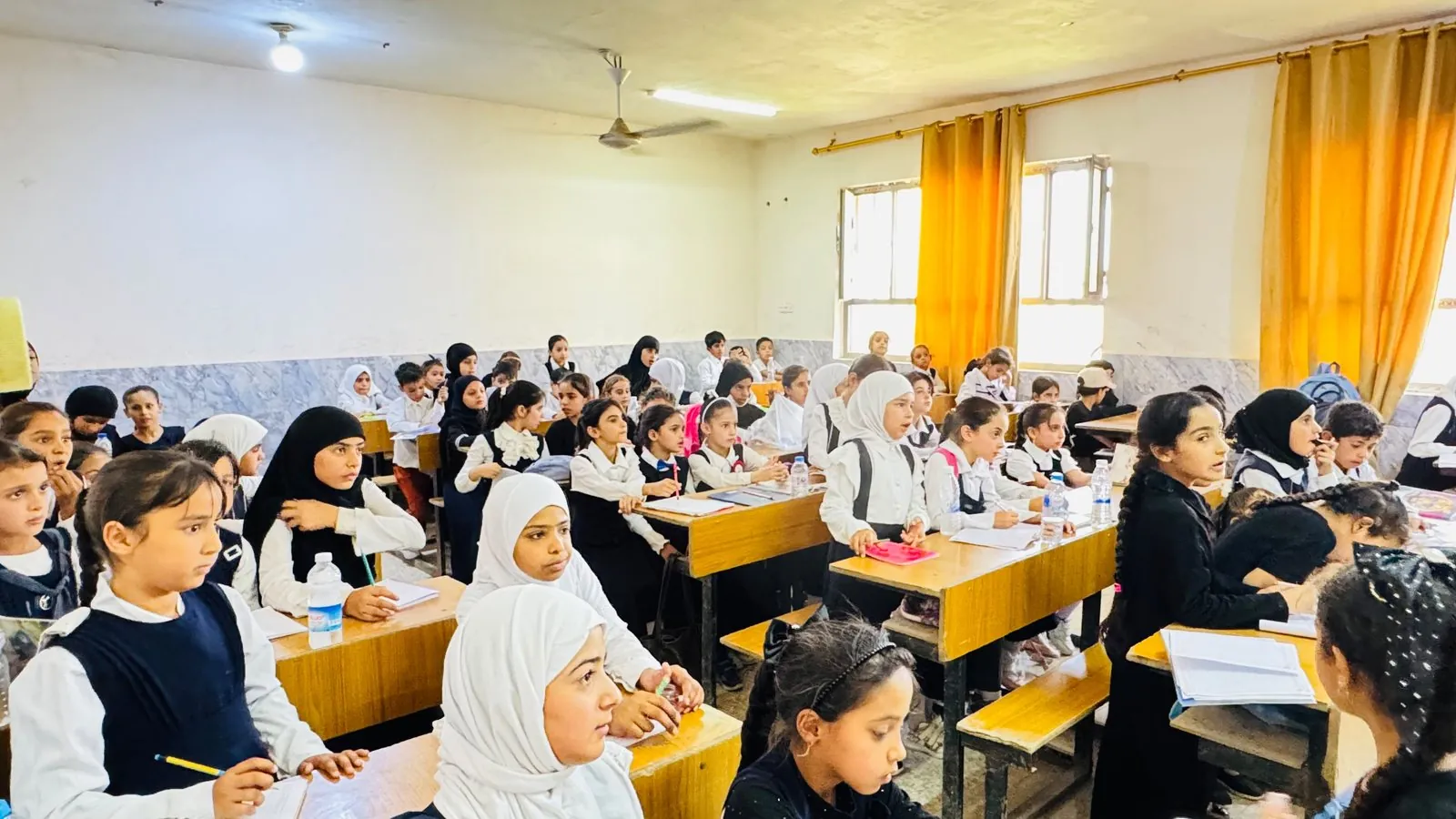
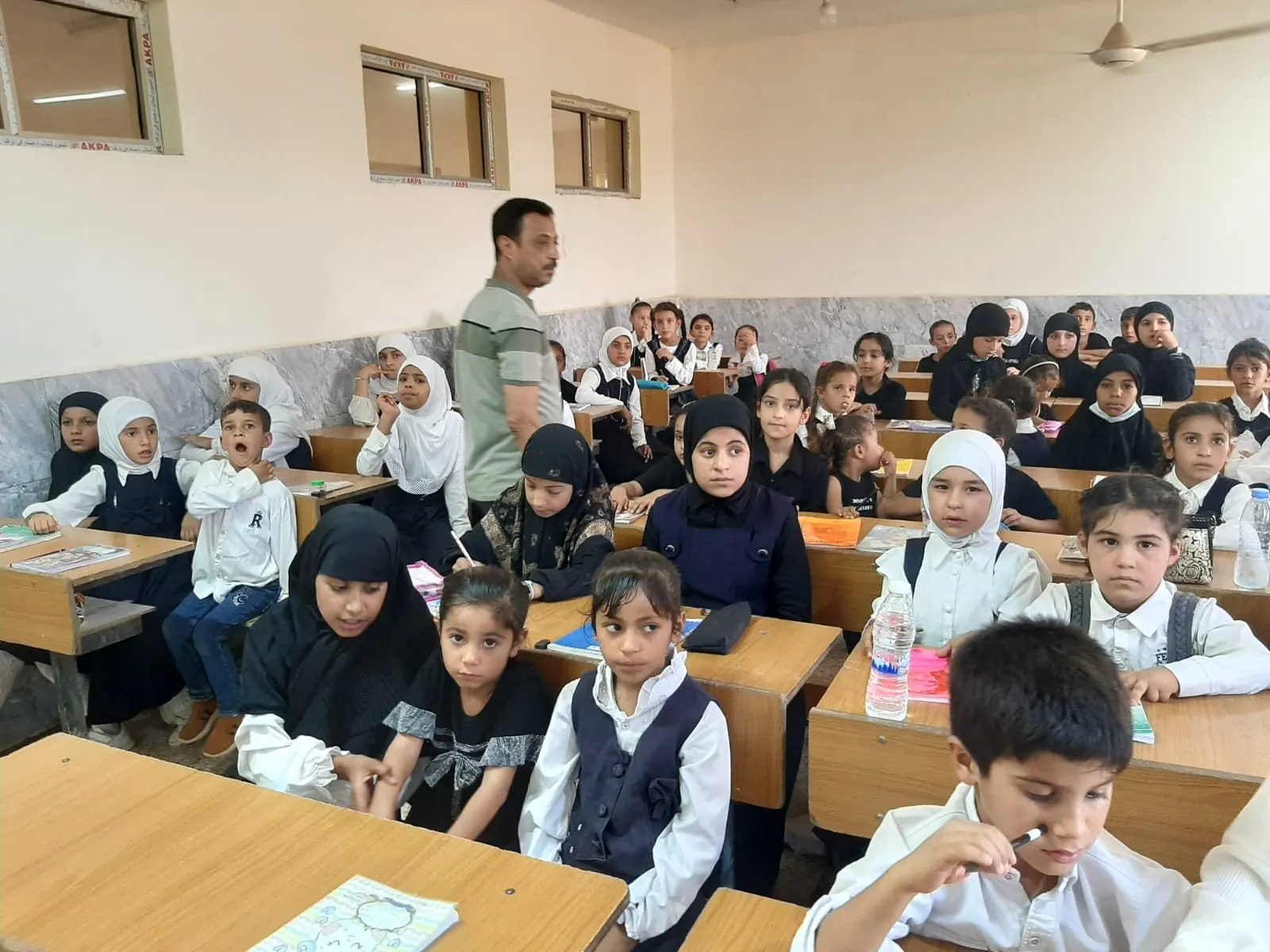
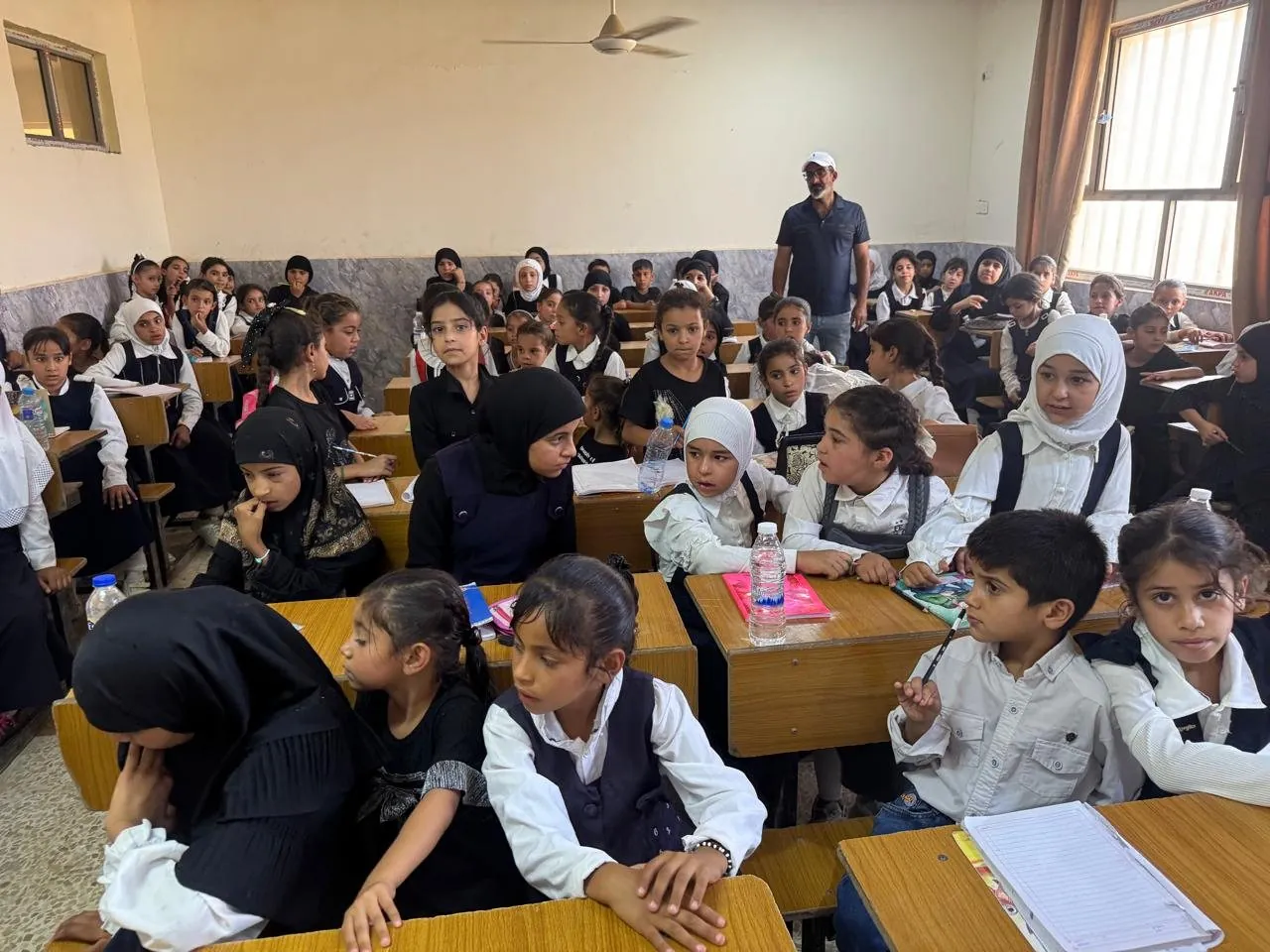
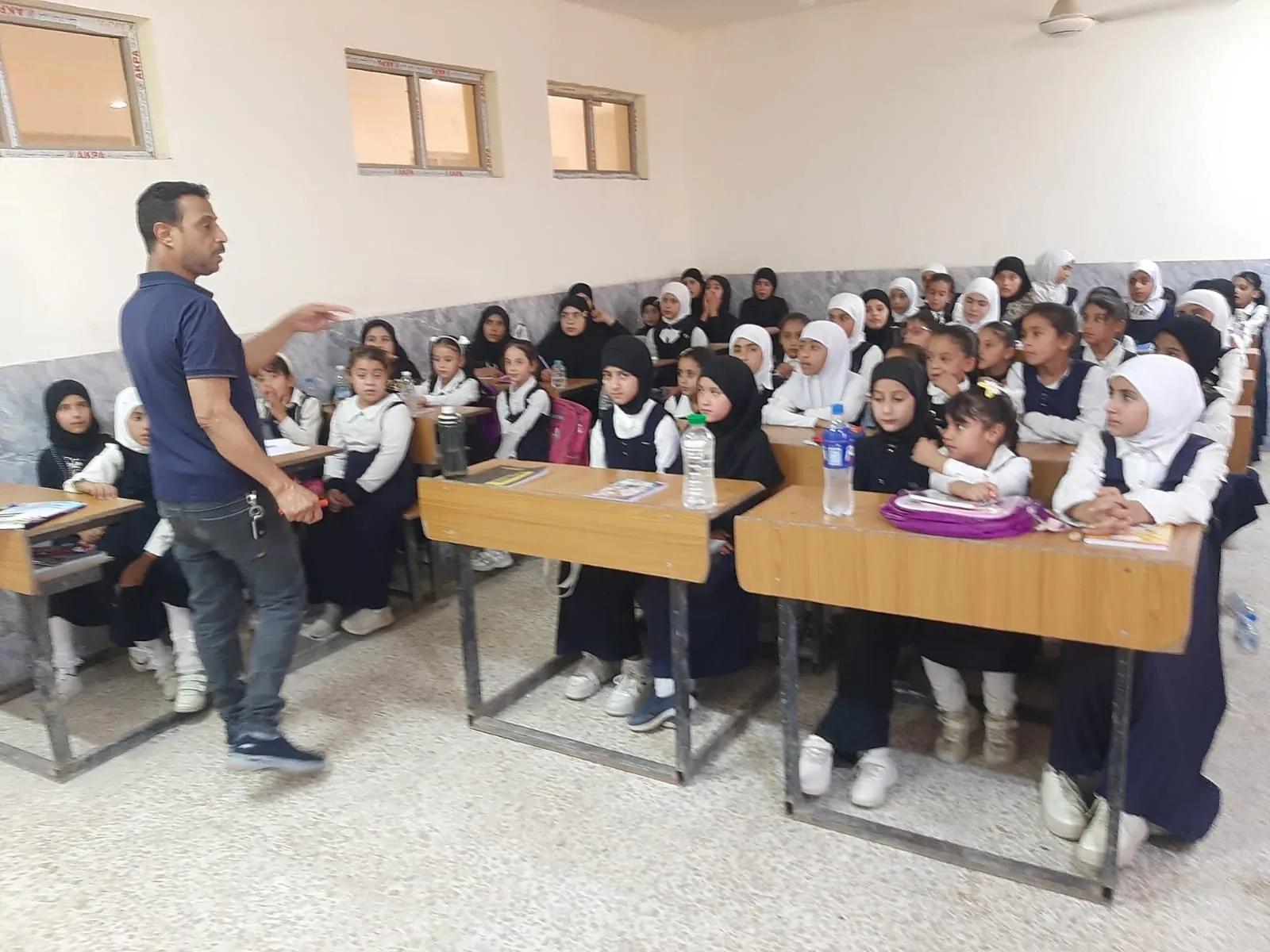
AMAR-trained teachers deliver structured health lectures in local primary and secondary schools: healthy lifestyles, nutrition, mental and social health, medical and preventive examinations, school health and the factors that affect school performance. Alongside, community health councils and outreach meetings bring parents together on subjects from vaccination and hygiene to tuberculosis, autism and eye health.
Figures from AMAR's July 2026 project reports for Al Khora PHCC and the North Rumaila Mobile Health Clinic.