Emergency
aid.
Frontline services for refugees, the internally displaced and under-served communities hit by disaster.
When disaster
strikes.
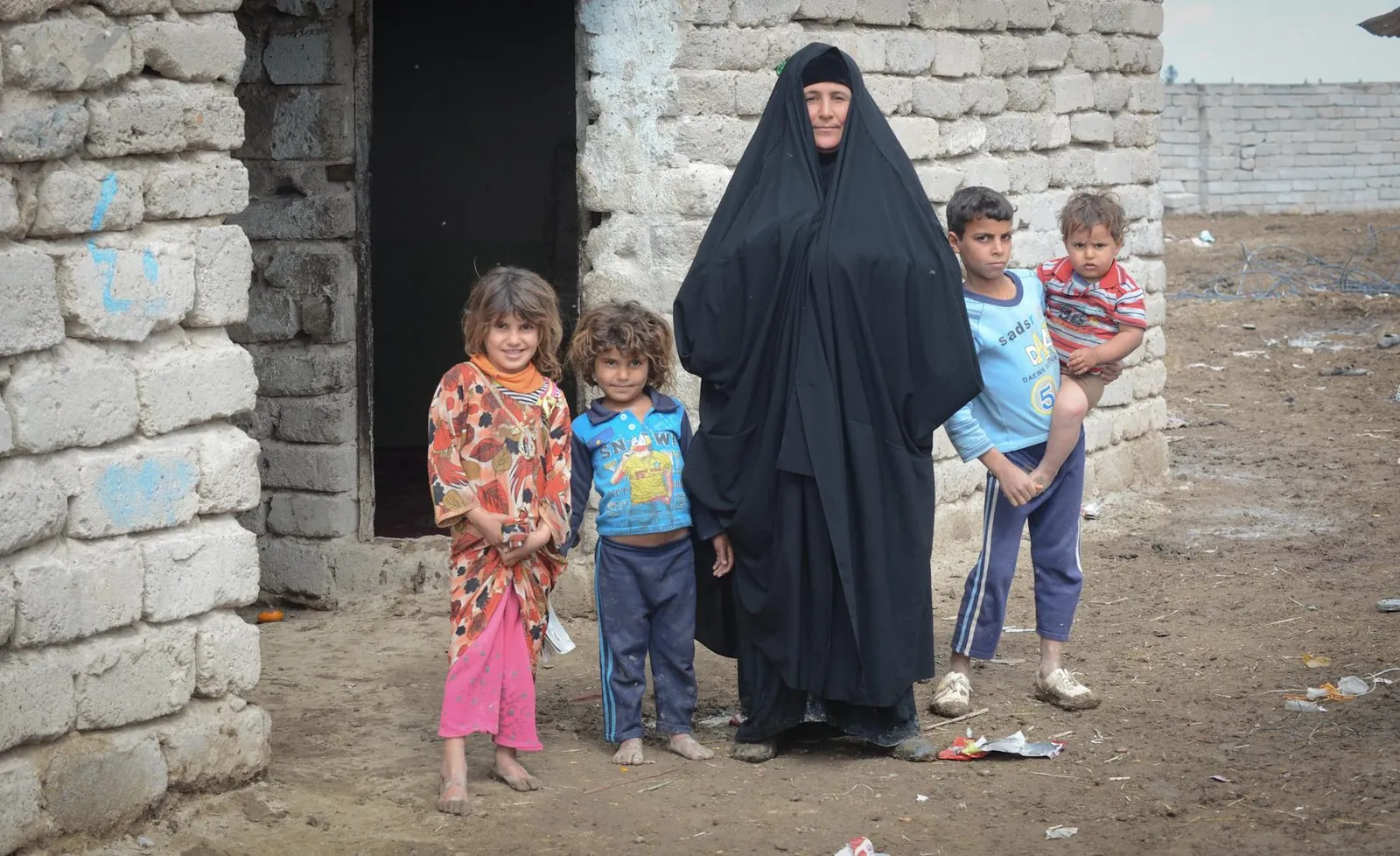
AMAR teams are on the frontlines delivering emergency services to refugees, internally displaced people and other under-served populations suffering the devastating effects of human-made and natural disasters.
When disaster strikes, people are driven from their homes. They lose loved ones, face violence and torture, experience hunger and thirst. They lose their livelihoods, their houses and their access to basic facilities.
AMAR is careful to include those living outside camps in every response. These groups are often the most vulnerable and miss out on large-scale international responses that target camps. AMAR provides clean water, food, sanitation, medical treatment, shelter, blankets and clothing, and stays until assistance is no longer required.
Over 11 million people are in need of humanitarian assistance, including over 3.2 million internally displaced people.
Iraq
Six services,
one response.
From the first days of a displacement to the years of recovery: medical teams, supplies, schooling, water, sanitation and rebuilding.
Emergency medical aid
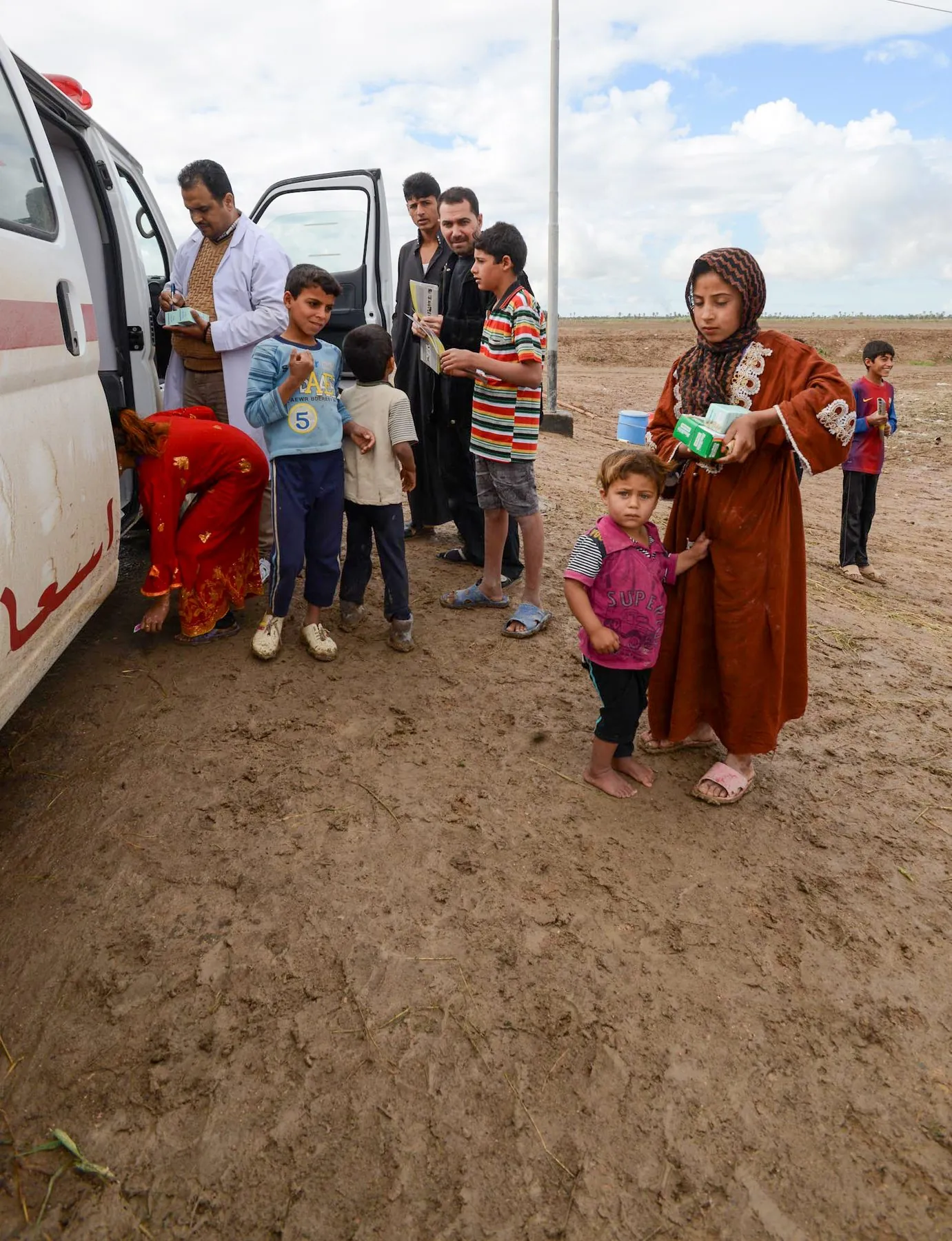
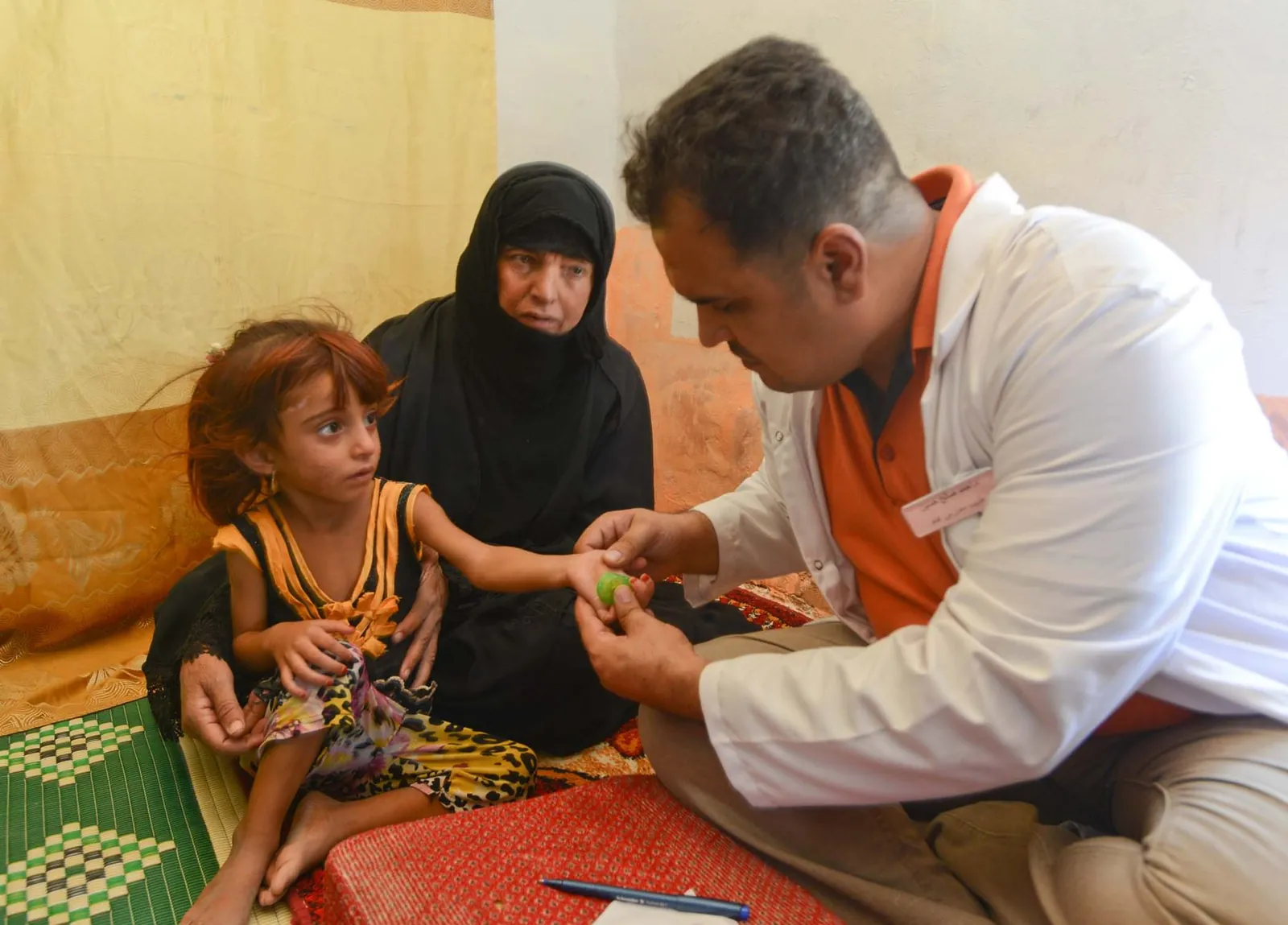
Primary healthcare teams treat those wounded in disasters and make sure people with chronic conditions or other health problems keep access to the services they need.
Emergency supplies
Food, clothes and blankets for refugees and the internally displaced, sourced locally by a procurement task force where possible and moved through strategic local warehouses.
Provision of education
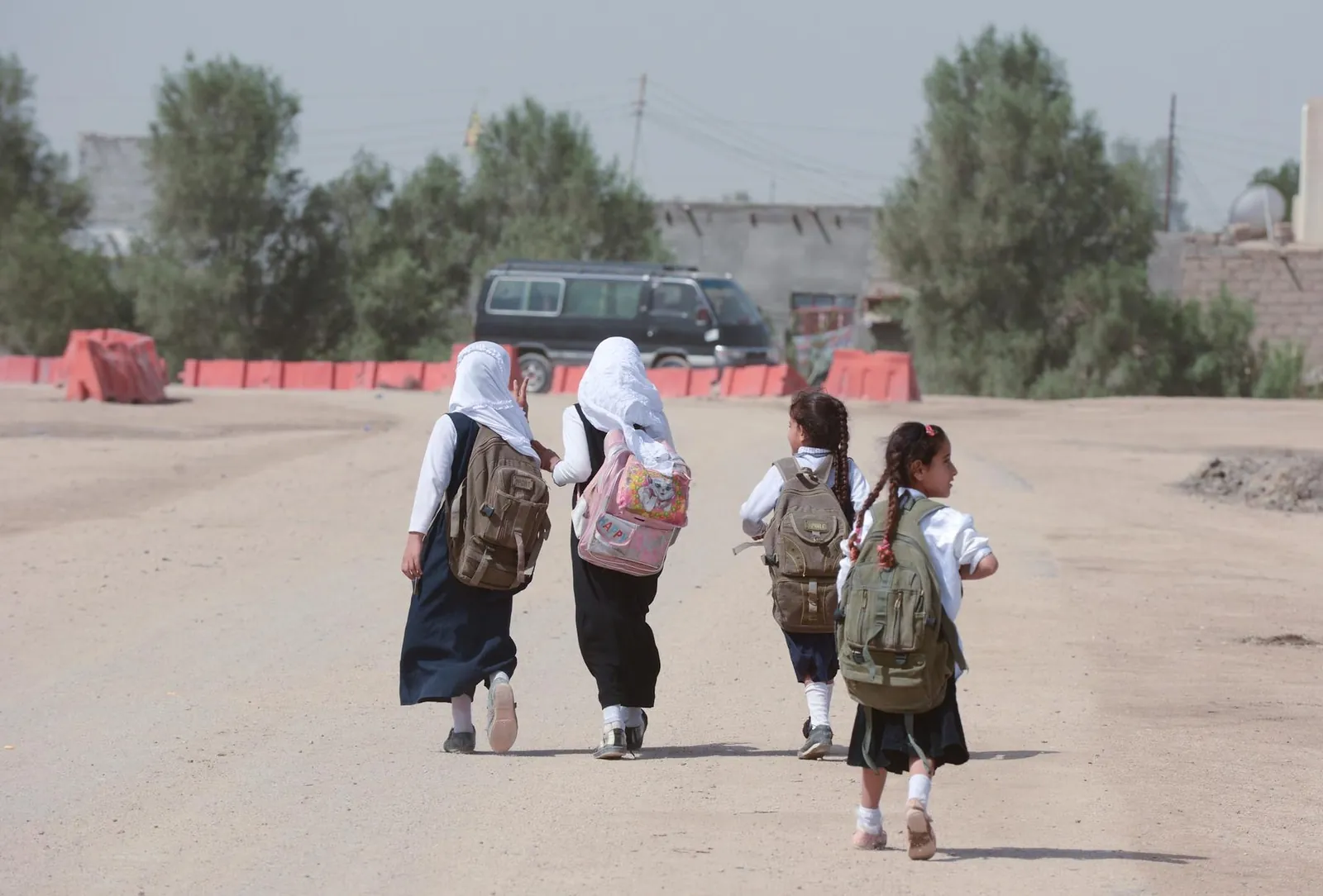
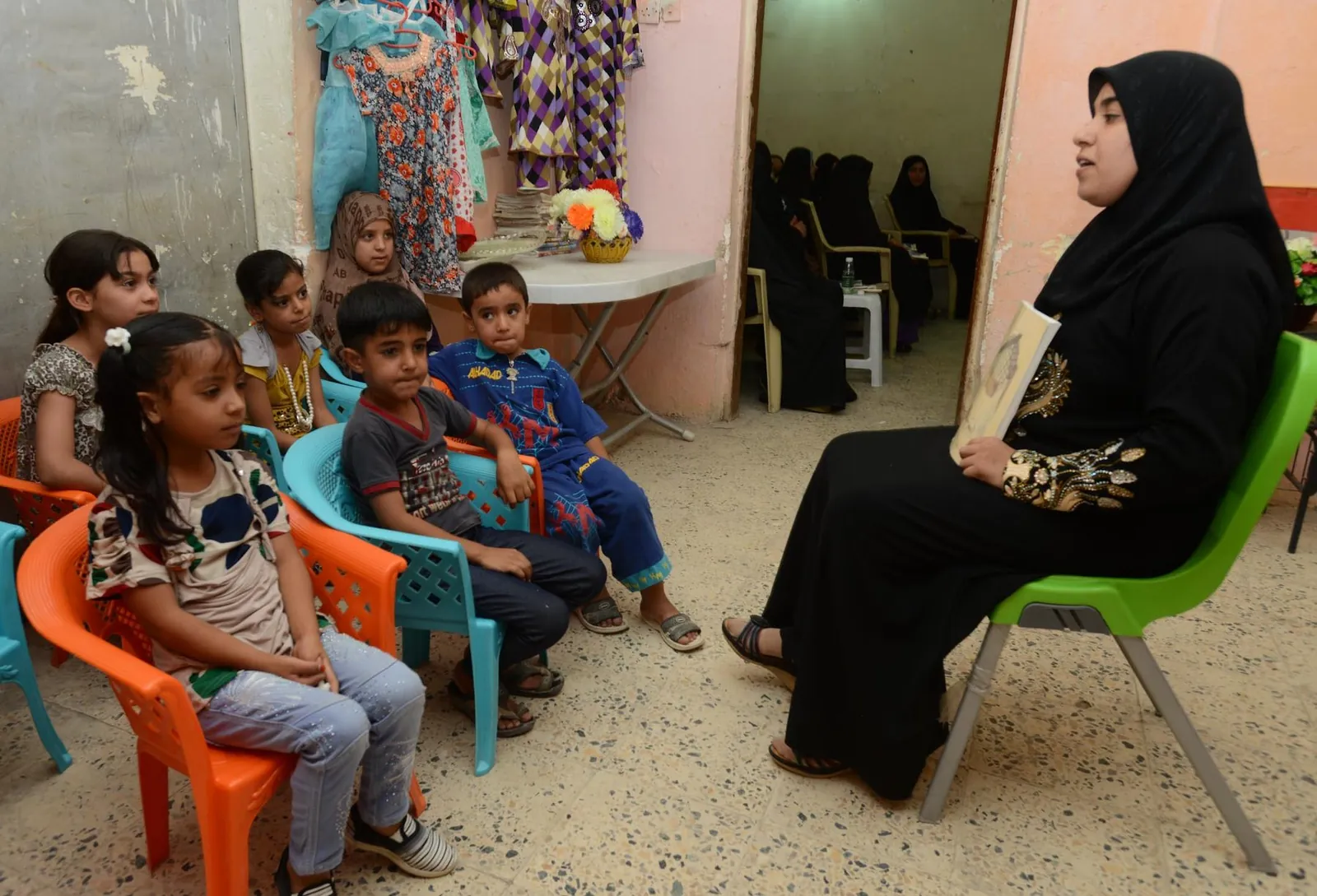
Regular educational and vocational training for displaced adults and children, so a humanitarian crisis has as little impact on their long-term future as possible.
Access to safe water
Purification projects within camps, rehabilitation of pumping stations and treatment plants, and the provision of reverse osmosis units.
Waste disposal services
Rebuilding waste infrastructure: distributing bins, removing waste with specially designed trucks, and constructing and refurbishing sewage treatment plants.
Rebuilding infrastructure
Where recovery could take years, AMAR refurbishes and constructs healthcare and educational facilities so vital services can be sustained.