
Appeals & projects

Mental health and
cultural preservation
through music.

The AMAR Yazidi Ladies Peace Choir, music lessons in the camps of northern Iraq, and a recorded archive of a culture ISIS tried to erase.

Since 2014

Singing
as recovery.

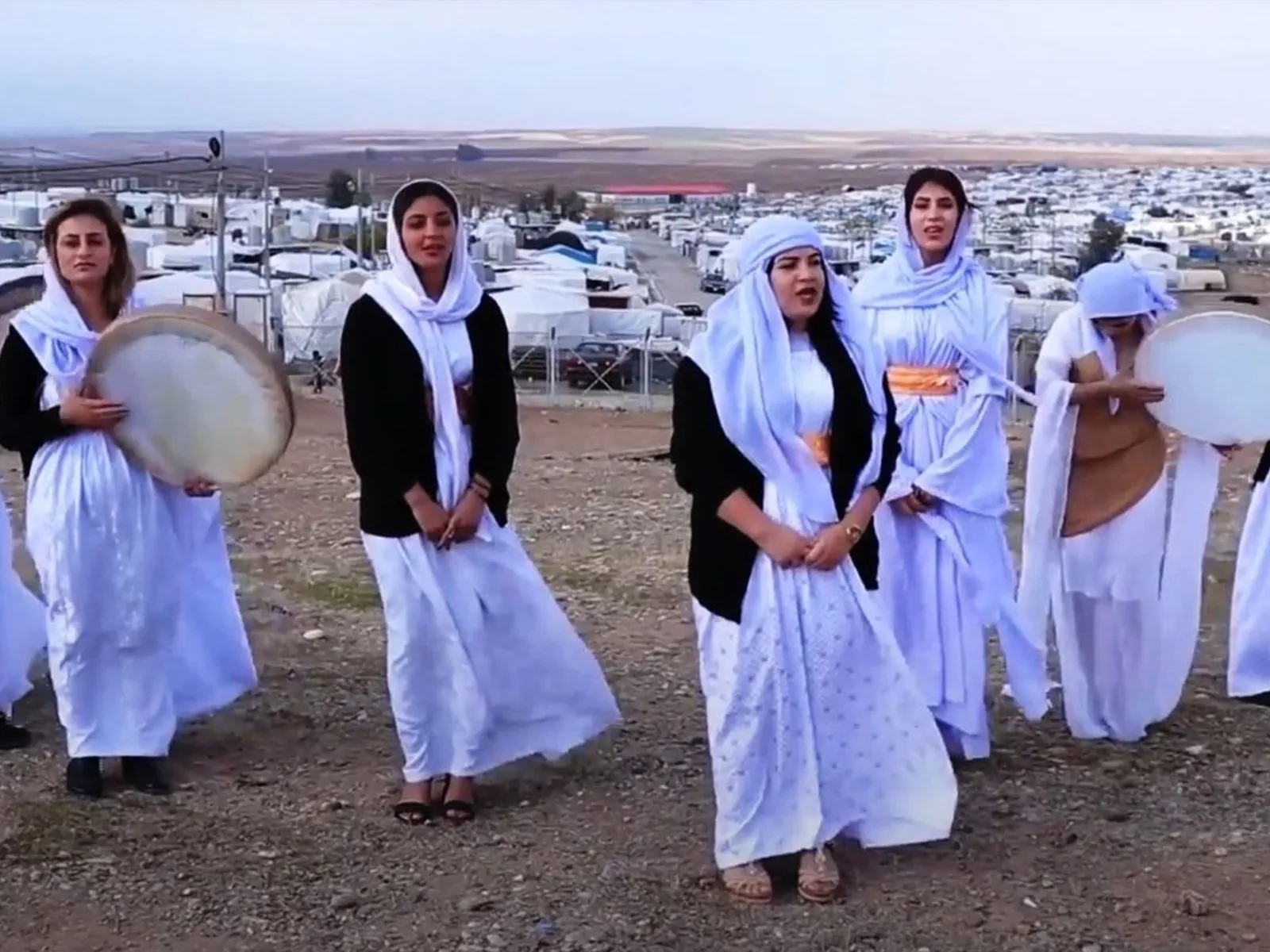
When ISIS attacked Sinjar in 2014, thousands of Yazidi women and girls were taken into captivity and hundreds of thousands of families fled to camps around Dohuk. AMAR's clinics in those camps saw the trauma first. Its answer was a choir: the AMAR Yazidi Ladies Peace Choir, founded so that survivors could recover together, in their own language and their own music.

The effect on those who joined has been remarkable. Some of the women said they felt recovered; suicides and deep trauma were significantly lower among Yazidi women who had been through the programme. From that first choir grew music lessons for the camps' children, and a project to record a musical culture that ISIS had tried to erase.

Explore our videos
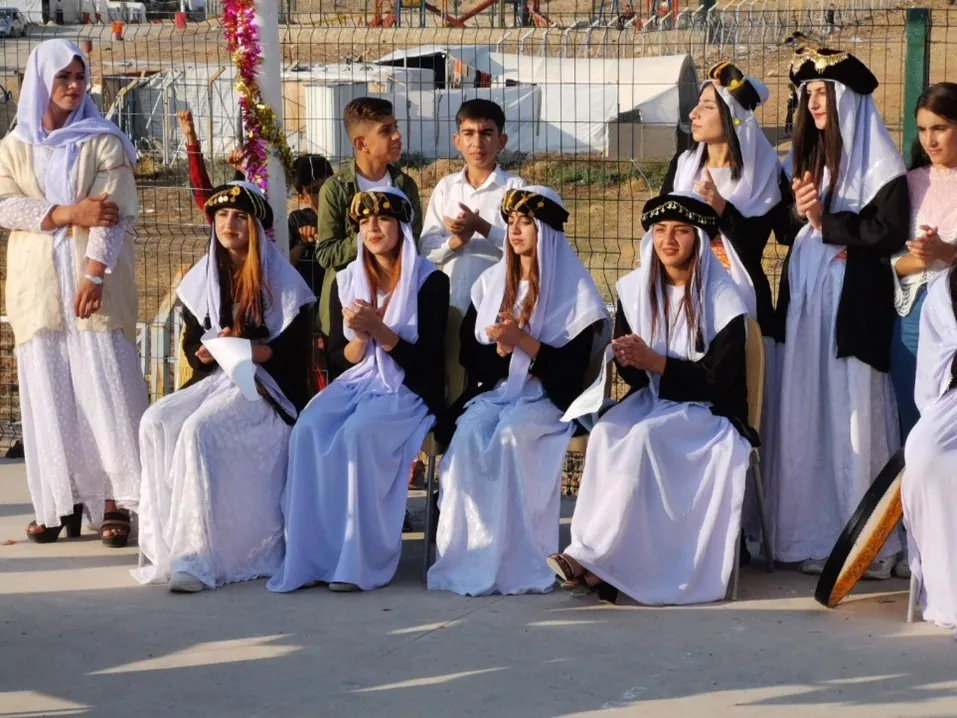
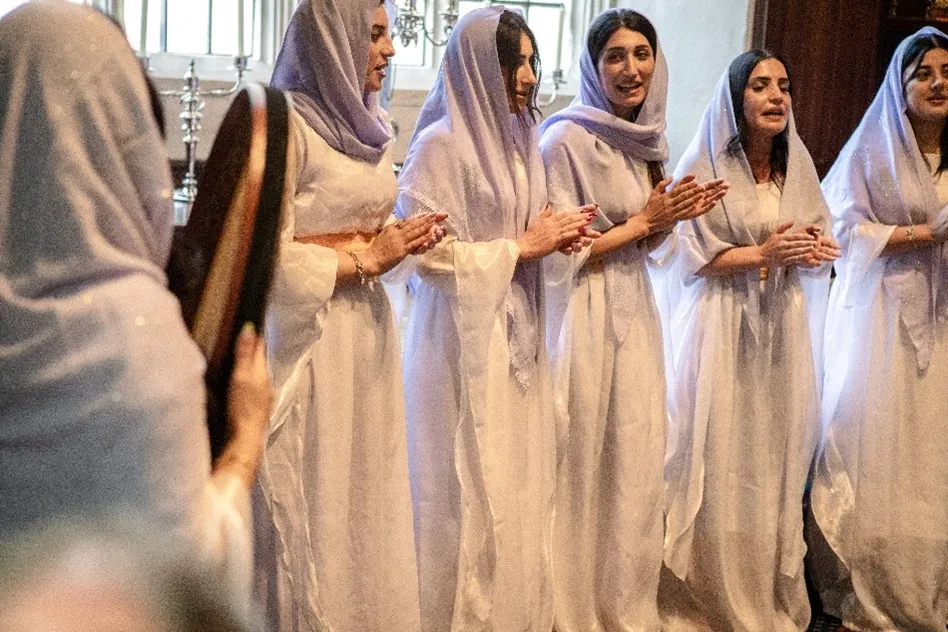
Members of the AMAR Yazidi Ladies Peace Choir in traditional white dressAMAR Yazidi Ladies Peace Choir
Cultural preservation

Songs that were
never written down.

The genocidal campaign by ISIS against the Yazidis struck at their musical heritage. Among the thousands murdered were musicians, and the group made a point of destroying traditional instruments to eliminate not just the Yazidis but their culture. Yazidism is an oral religion and culture; its music and songs have historically not been written down. As experienced musicians age or fall victim to persecution, the knowledge they hold risks disappearing, and displacement has broken the chains through which it was taught.

AMAR has recorded religious music at Lalish, the home of the Yazidi faith, and folk music in and around the camps of northern Iraq: over 100 recordings, interviews with musicians, filmed and photographed performances. The material is archived at the Bodleian Library in Oxford and at Mosul and Dohuk libraries in Iraq. Yazidi music takes three forms, religious, ceremonial and folk, and AMAR is working to ensure all three continue to thrive.

Over 100 recordings, archived at the Bodleian Library in Oxford and in Mosul and Dohuk.

The Yazidi music archive
The AMAR Yazidi Ladies Peace Choir performing
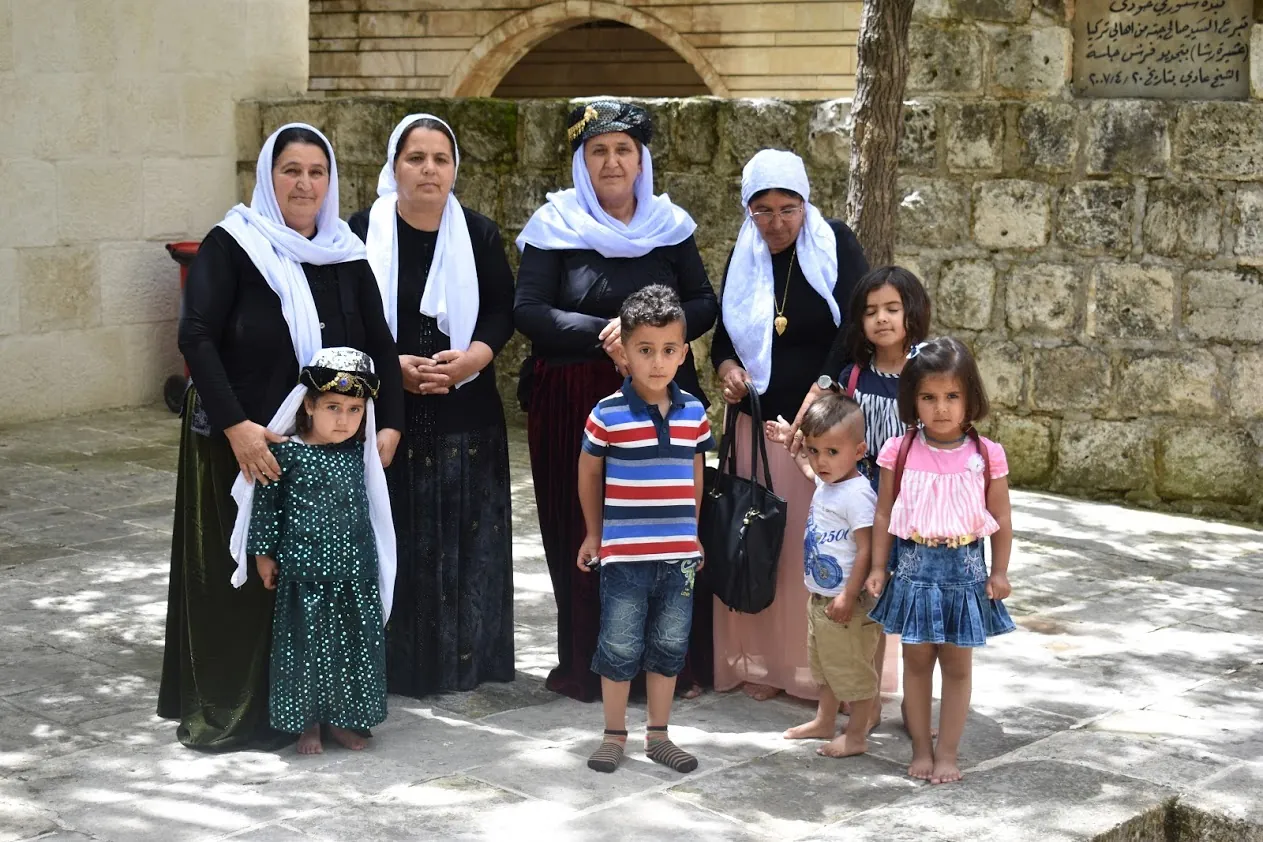
A Yazidi family at Lalish
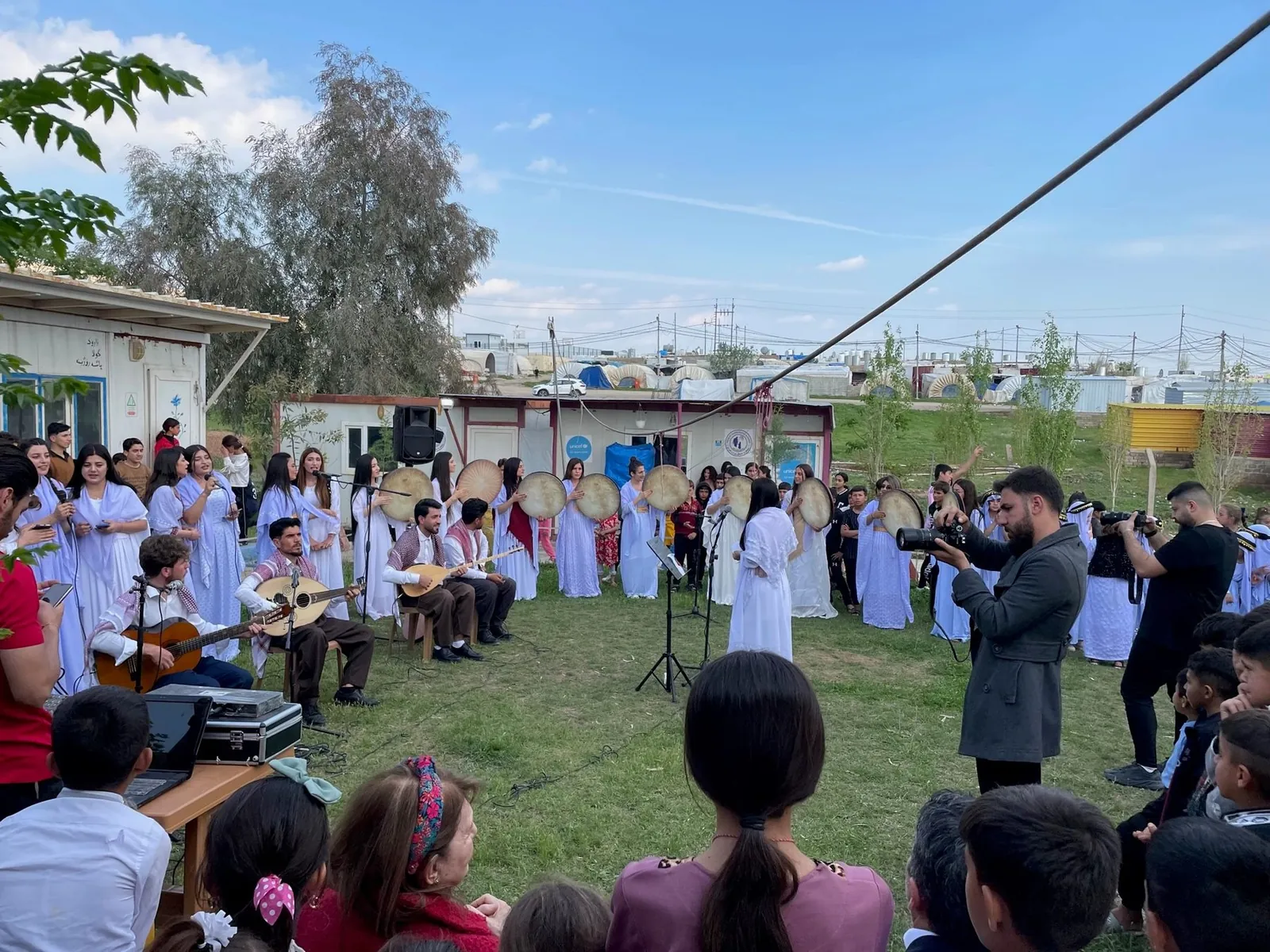
Rehearsal in Khanke camp
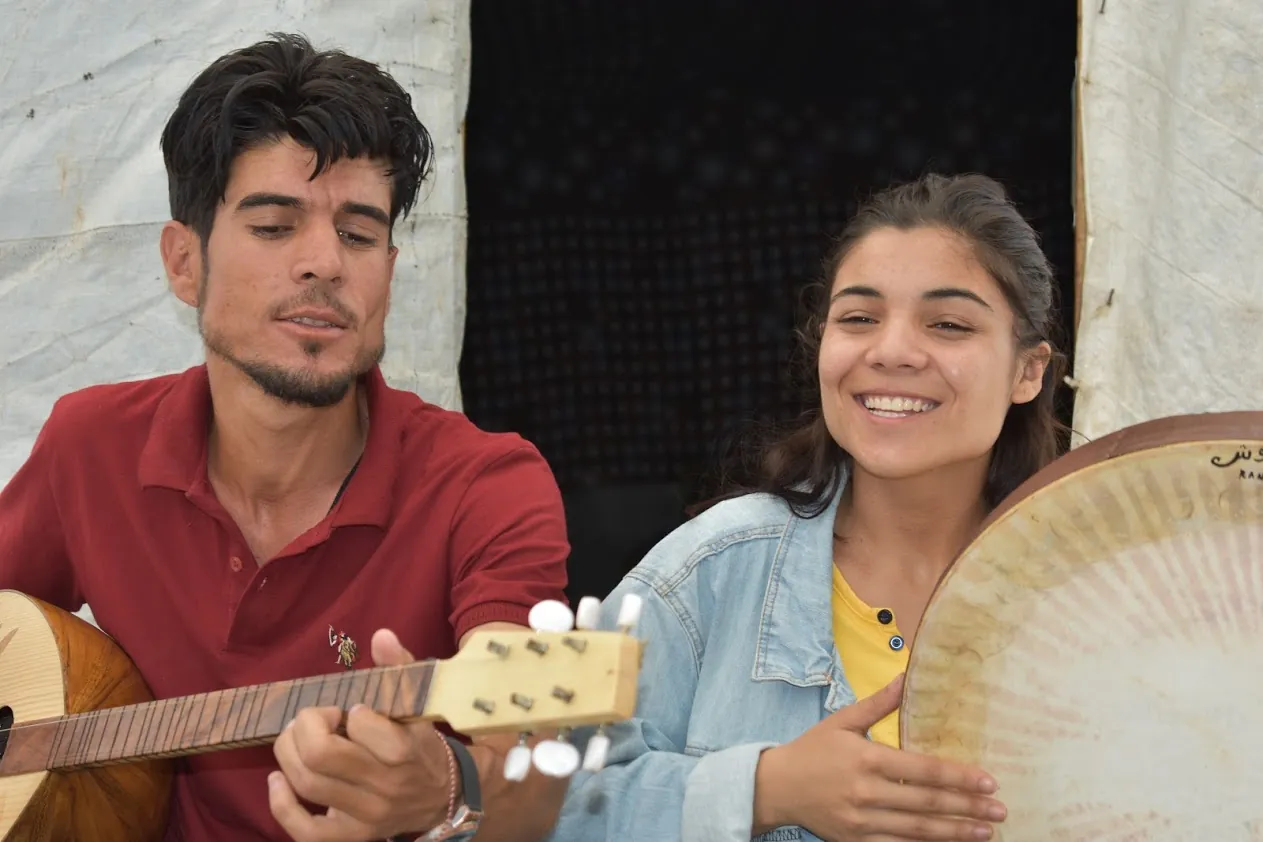
Rana and her brother, musicians on the programme
Choir members in traditional dress
Music class in the camp
Personal stories

Two voices
from the camps.

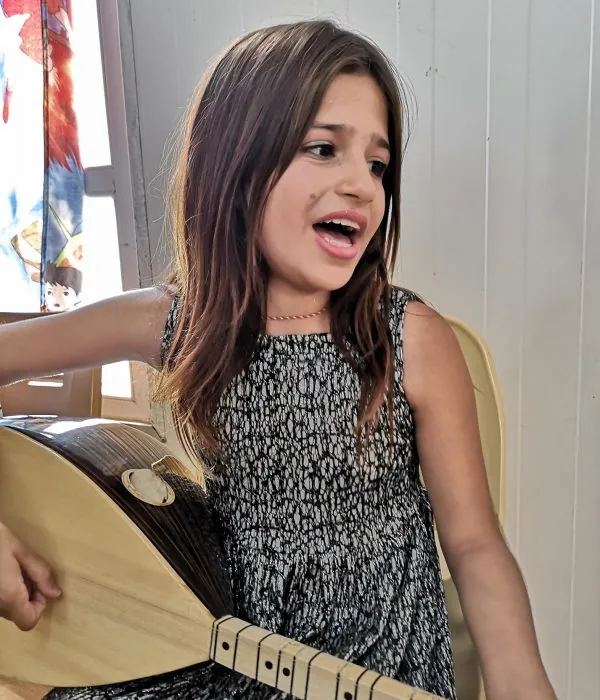
A young student on the music programme

The young student working towards her dream

Dareen, 12, is a student on the music programme in Essyan camp and has come to classes since the programme began. She has struck her teachers with her talent: every singing skill was learned from folk songs on her mobile phone, with no formal training.

She was seven when ISIS invaded Sinjar and still has vivid memories. She and her family, parents and five siblings, have lived in Essyan camp for many years. As well as singing she is learning the tambour. Her ambition is to become a professional singer; the classes are her first step.
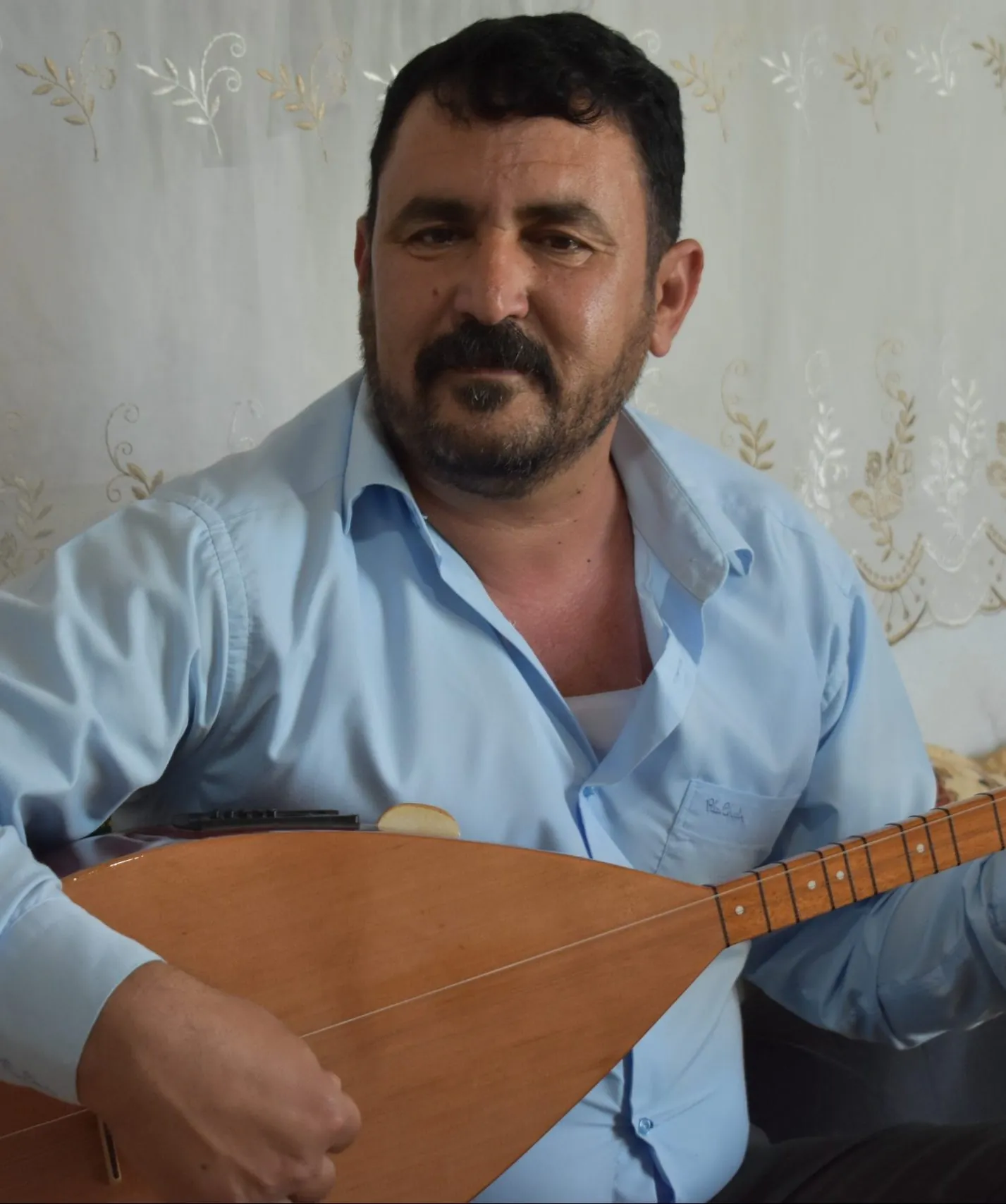
Ali, a music teacher on the Yazidi Music Project

The teacher opening up musical worlds

Ali, 35, is one of the music teachers on the Yazidi Music Project. From Borek in the Sinjar district, he is a professional musician from a family of musicians; his father Hader memorised over 500 songs in a tradition that was never written down.

When ISIS attacked in 2014 the family spent ten days in the Sinjar Mountains before reaching Khanke camp. His brother and two nephews remain missing. Today he teaches tambour to four groups a day, five days a week, 52 students in all, passing his skills to a new generation.

Yazidi music is ancient and very important to our culture. As a minority, it keeps us together.
Support AMAR Give once Give monthly